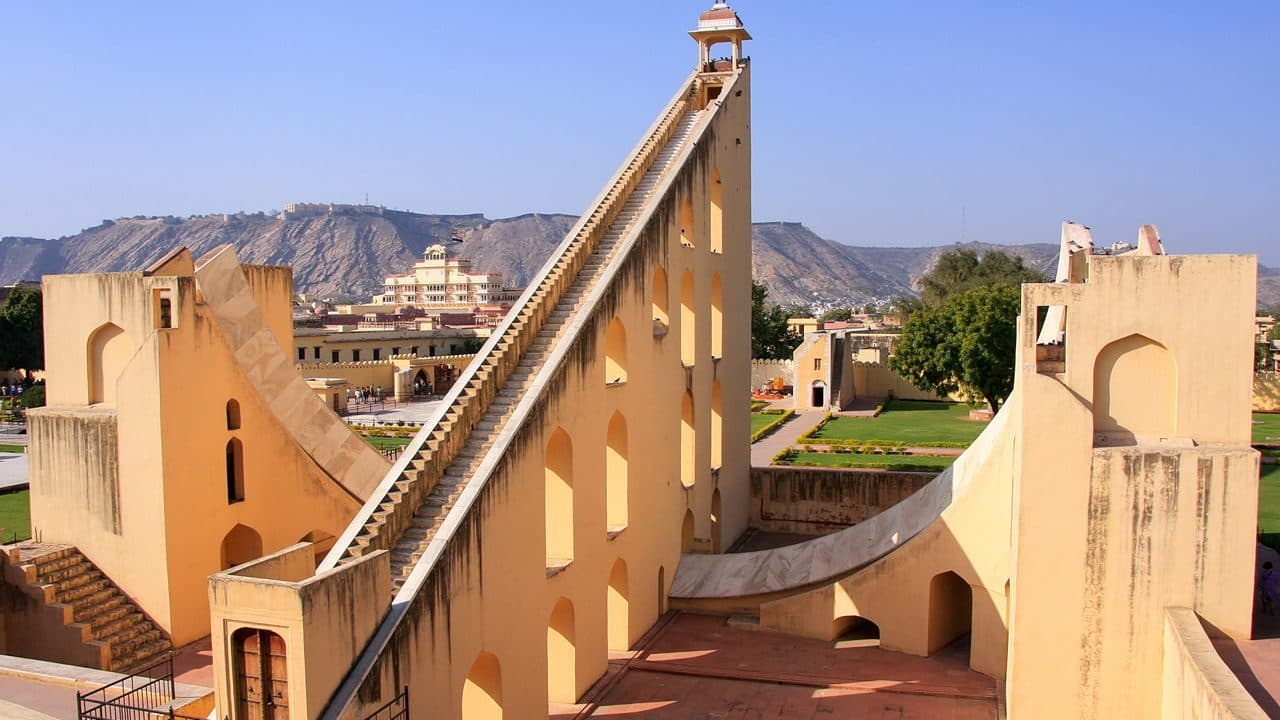
Jantar Mantar
A UNESCO World Heritage Observatory
Best Time to Visit
Open 9 AM – 5 PM
Ideal For
History & Science Lovers
Time to Explore
45 Mins – 1 Hour
Entry Fee
₹50 (Indians) / ₹200 (Foreigners)
Best Food Near Jantar Mantar
 PopularOpen
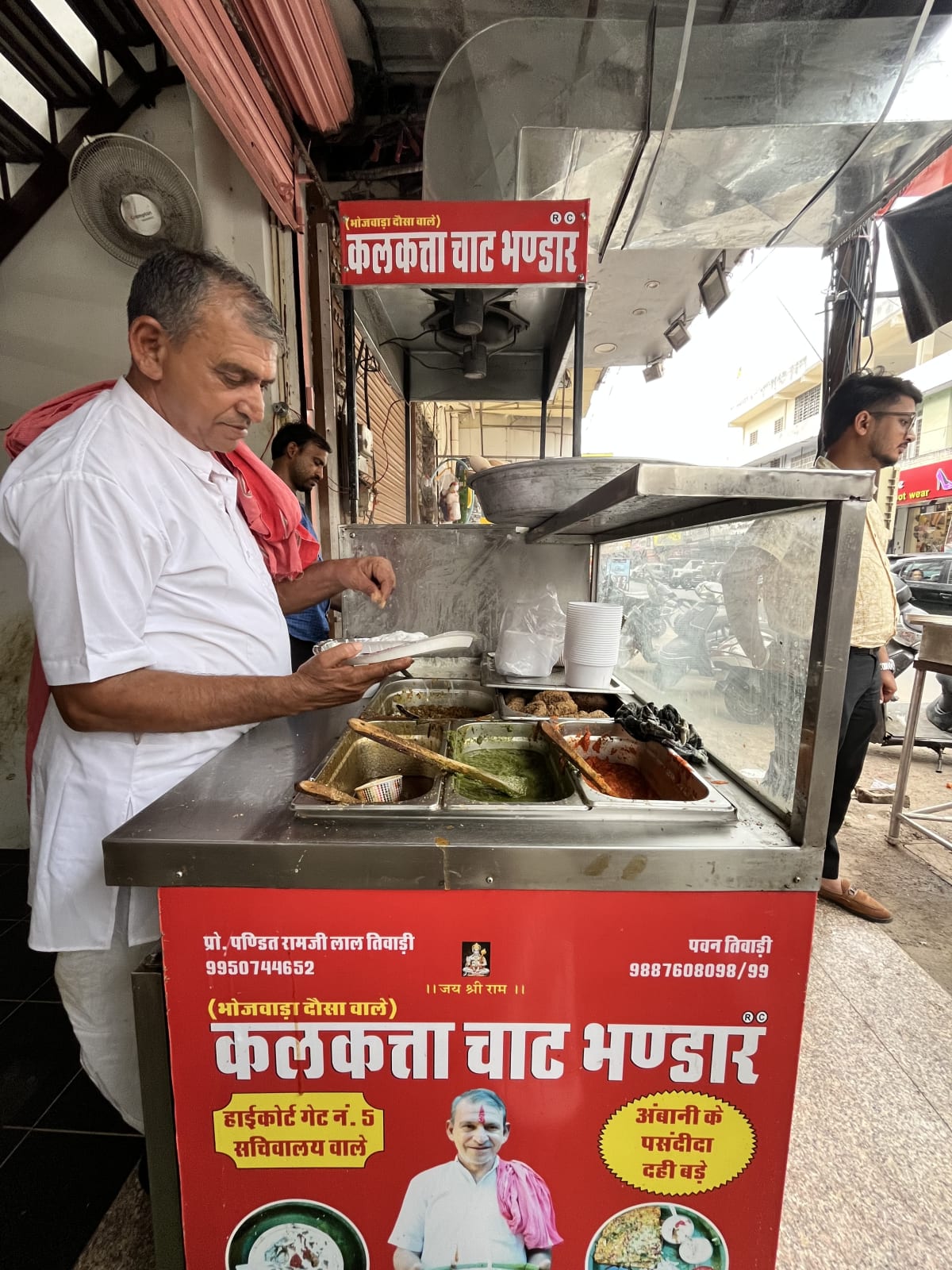
Kalkatta chat bhandar
 Open
OpenBombay Fast Food Corner
 Open
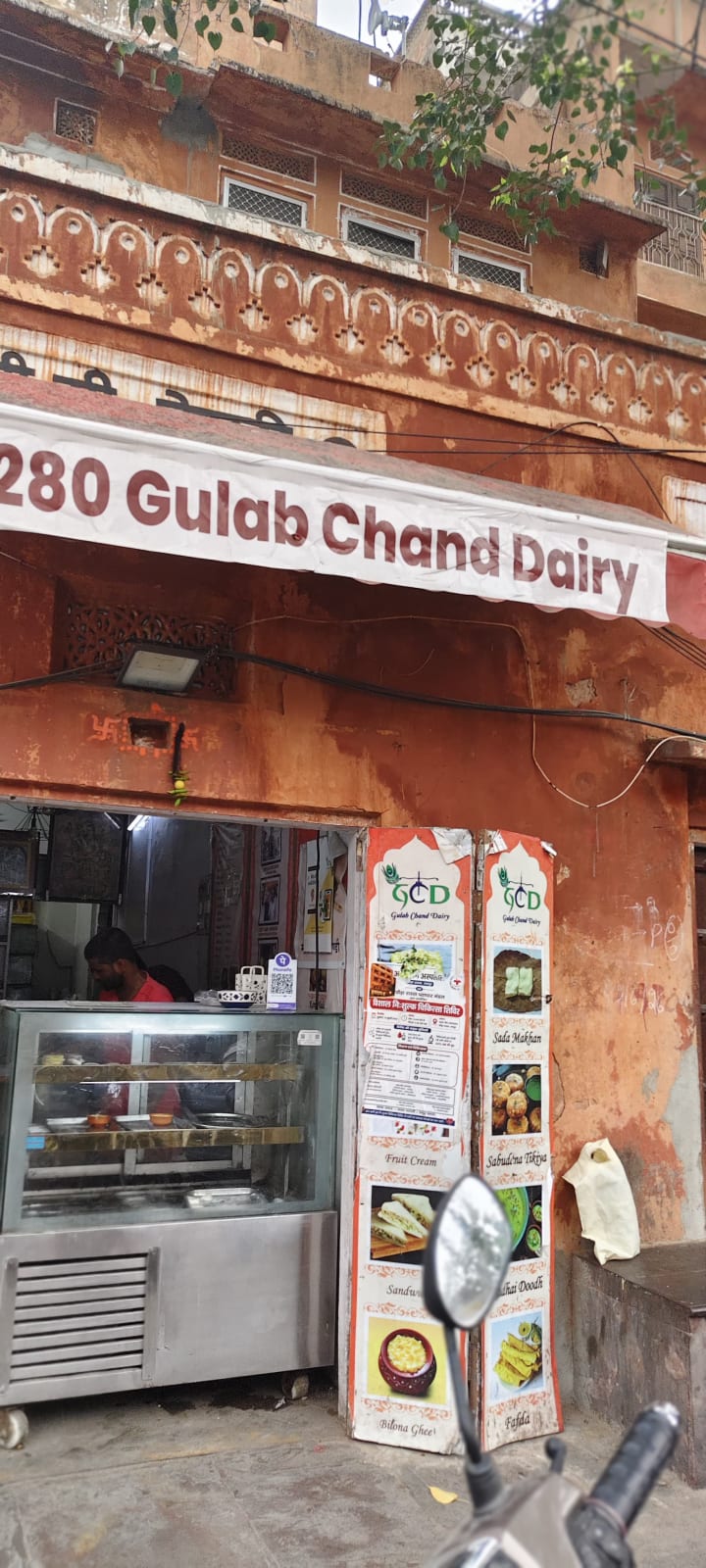
OpenGulab chand dairy
 Open
OpenShreenath ji dabeli wala
 Open
OpenSanskriti Chaat
 Open
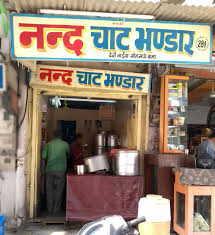
OpenNand Chaat Bhandar
 Open
OpenDurgadas Chaat Bhandar
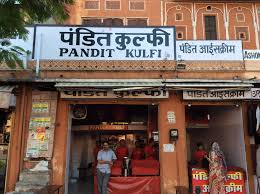 Open
OpenPandit Kulfi Bhandar
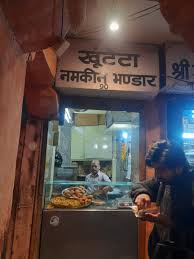 Open
OpenKhunteta Kachori Wala
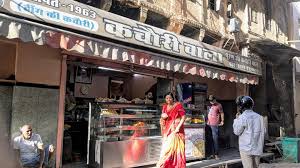 Open
OpenPuran Ji Hing Kachori
About Jantar Mantar
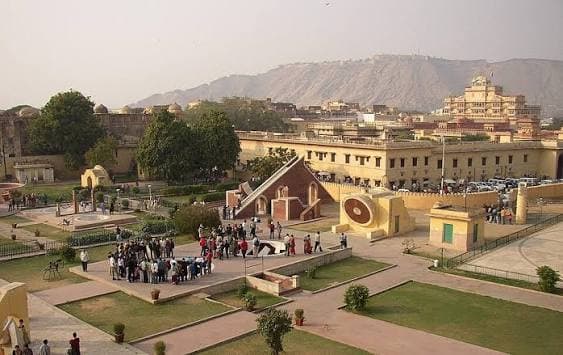
Commissioned in 1724 and completed in 1734 by Maharaja Sawai Jai Singh II, Jaipur's Jantar Mantar is the largest and most accurate of the five observatories he built across India. It houses 19 masonry astronomical instruments capable of measuring time, tracking planetary positions and predicting eclipses. In 2010, it was inscribed as a UNESCO World Heritage Site.
Best Time to Visit
9:00 AM – 11:00 AM
Best light for sundial readings
3:00 PM – 5:00 PM
Fewer crowds
Tips for Visitors
- ✓ Go near solar noon if you want to actually watch the Samrat Yantra's shadow move in real time - it's oddly satisfying
- ✓ The instruments look like abstract sculptures until someone explains them - a guide or the on-site signage makes this place click
- ✓ It's fully open-air with almost no shade, so this isn't a midday stop without a hat
- ✓ City Palace and Hawa Mahal are both a 5-minute walk - easy to do all three back to back
Frequently Asked Questions
Photo Gallery
Location
Open in MapsNearby Landmarks
- City Palace0.2 km
- Hawa Mahal0.5 km
- Johari Bazaar0.9 km
- Albert Hall Museum2.7 km